
Trends
Cultivating Sustainable Futures: Reflections on the Erasmus+ Project “Sustainable Skills for Future Farmers” project nr.2022-1-TR01-KA210-VET-000081255
As an advocate for sustainable practices in agriculture, I am thrilled to share insights and reflections on the transformative journey of the Erasmus+ project "Sustainable Skills for Future Farmers." This initiative, aimed at enhancing students' literacy in environmental behaviour and adapting agriculture to climatic changes, has been a remarkable collaboration between partner organizations in Popovo (Bulgaria), Mersin (Türkiye), Skopje (North Macedonia), and Warsaw (Poland).
Throughout the project, students and teachers alike have been empowered to explore and implement sustainable farming practices while fostering meaningful cultural exchanges. The mobility phases in Popovo, Mersin, Skopje and Warsaw served as pivotal moments for immersive learning and cross-cultural engagement.
In Popovo, nestled amidst the picturesque landscapes of Bulgaria, participants delved into the intricacies of agricultural production. From hands-on experiences in agricultural farms to insightful workshops on soil health and biodiversity preservation, students gained invaluable knowledge and skills essential for sustainable agriculture. However, beyond the fields, the cultural exchange flourished, as friendships were forged over shared meals and vibrant conversations, transcending borders and fostering mutual understanding.
In Mersin, Türkiye, the journey continued with a focus on adapting agricultural practices to mitigate the impacts of climate change. Through interactive sessions and field visits, students explored innovative techniques such as precision farming and water-efficient irrigation systems. These experiences not only equipped them with practical skills but also instilled a deeper appreciation for the interconnectedness between agriculture and the environment. The cultural exchange flourished as participants immersed themselves in the rich tapestry of Turkish heritage, embracing new traditions and perspectives.
Finally, in Skopje, North Macedonia, the project reached its culmination with a celebration of sustainable farming practices and cross-cultural collaboration. Participants engaged in workshops on composting and drip irrigation, witnessing firsthand the potential of sustainable agriculture to mitigate climate change. As they explored the city's vibrant streets and serene countryside, bonds strengthened, and cultural barriers dissolved, reinforcing the importance of unity in addressing global challenges.
As we reflect on the journey of "Sustainable Skills for Future Farmers," it is evident that the project has not only equipped participants with essential knowledge and skills but has also fostered a sense of global citizenship and collective responsibility towards our planet. Moving forward, let us continue to cultivate sustainable futures, nurturing the seeds of change for generations to come.
Together, we can sow the seeds of a brighter, greener future – one harvest at a time.
For the purpose of the project "Sustainable Skills for Future Farmers.", here is the invaluable contribution of the Macedonian team, which includes a composting video and a manual for organic production. As stewards of the land, we are passionate about sharing our expertise and insights to empower farmers and enthusiasts alike in embracing environmentally friendly practices.
-
Composting Video: Dive into the world of composting with our meticulously crafted video guide. From understanding the biology of decomposition to mastering the art of compost pile management, we provide step-by-step instructions and practical demonstrations to help you harness the power of organic waste for soil enrichment. Join us as we transform kitchen scraps and garden trimmings into black gold, nourishing the earth and fostering sustainable agriculture.
-
Manual for Organic Production: Delve into the principles and practices of organic farming with our comprehensive manual. Drawing upon years of experience and research, we cover essential topics such as soil health, natural pest management, and crop rotation. Whether you're a seasoned farmer or just starting out, our manual offers invaluable guidance and actionable strategies to cultivate healthy, resilient crops while minimizing environmental impact. Let's sow the seeds of a greener, more sustainable future together. The link to the manual: Manual For Organic Production
Јапонските јаболка се богати со бета каротен, калциум, железо и антиоксиданси. Покрај тоа што може да се јадат свежи и како додаток на утринските мусли и каши, погодни се за готвење, како и за солени комбинации. Издвојуваме 5 рецепти:
Вегетаријанската мусака е лесен ручек идеален за летните денови, а богат со хранливи состојки. Ќе ви бидат потребни вкупно околу 40 мин. за подготовка.
Денес разговараме со двајца млади органски производители кои не решија да заминат од државата, туку да ја продолжат приказната на нивниот татко кој го носи органскиот сертификат број 001 кај нас.
Кељот е еден од најпопуларните органски производи во Добра Земја, но често се соочуваме со прашањето - како се јаде ова чудо?
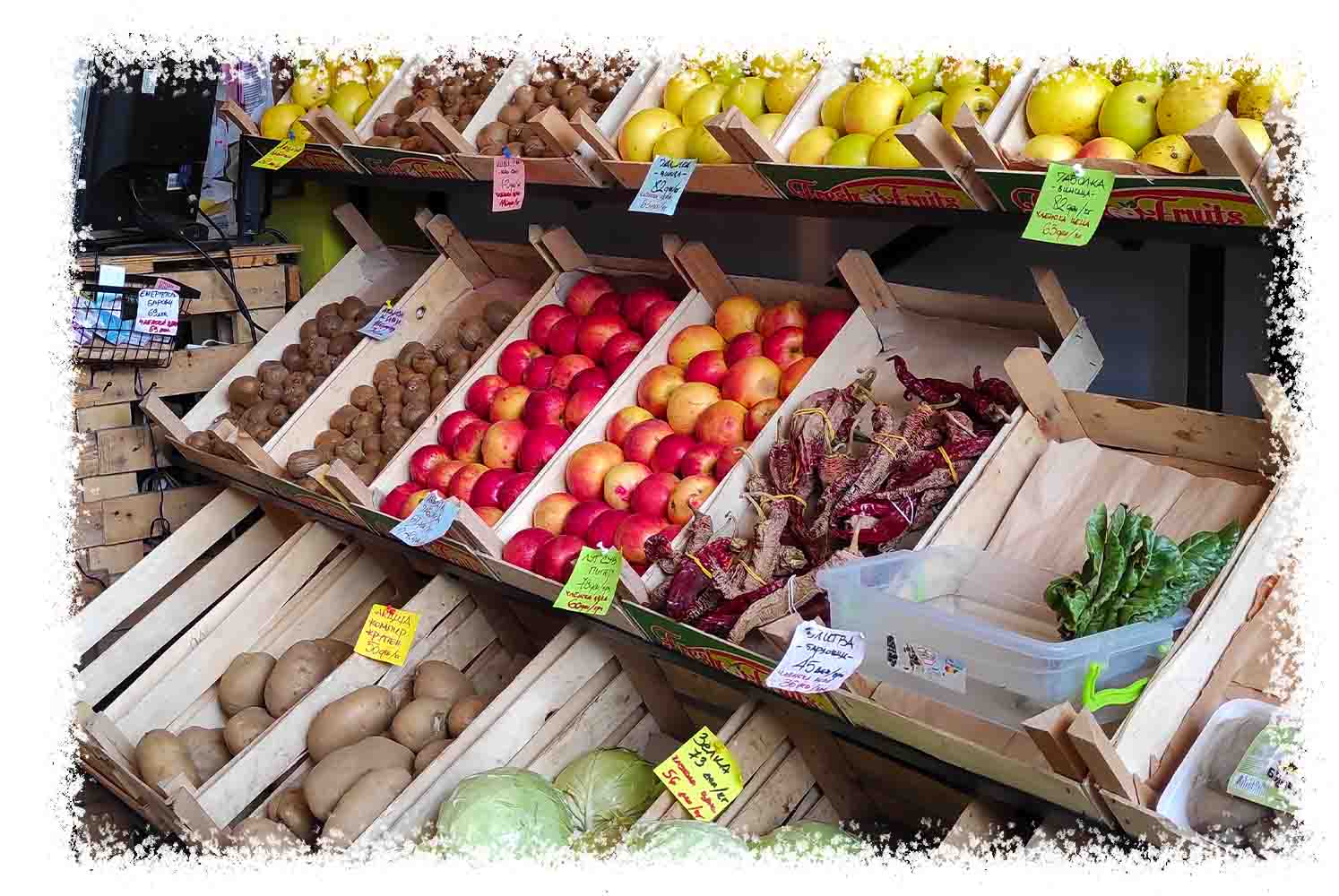
...нема здравје иако секое утро редовно го пиеме своето зелено смути со авокадо, кога производството на истото авокадо предизвикува масовна сеча на шумите во Мексико. И покрај тоа што трендот диктира дека киноата е супер храна на иднината, неминовен е фактот дека токму поради овој тренд настана ерозија и опустушување на почвите во Боливија, оставајќи ги локалните жители без доволно количество храна.
Веројатно веќе сте запознаени со нашиот славен модел на неделна органска кошничка. Четврток е денот кој го посветуваме исклучиво на членовите на задругата кои секоја недела подигнуваат органска кошничка составена од свежи и сезонски производи. Ова е само еден вид на имплементација на моделот наречен CSA (Community Supported Agriculture) или земјоделство поддржано од заедницата.
Органското киви кај нас најмногу се произведува во Струмичкиот предел, каде што одлично успева.
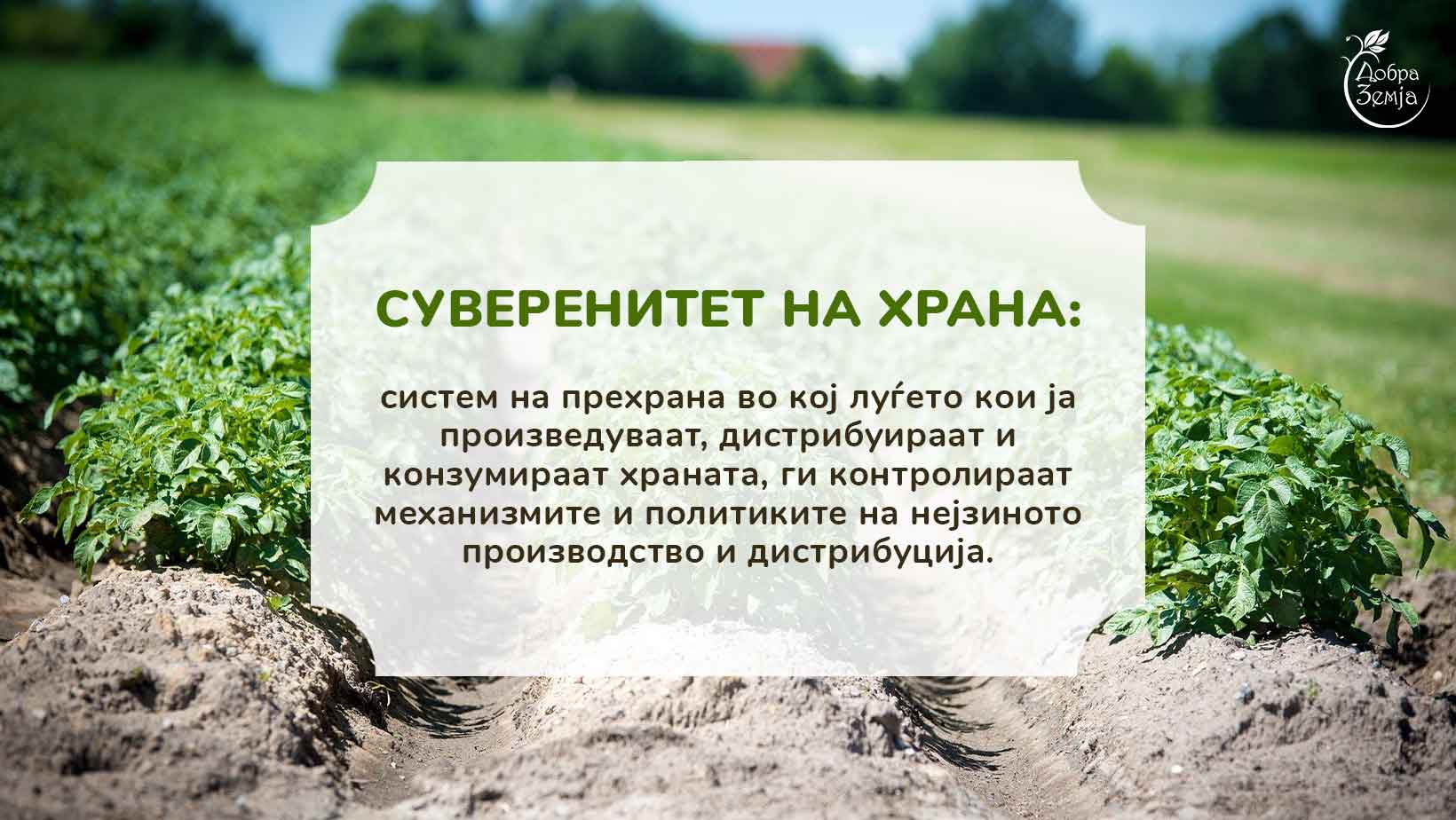
Една од нашите клучни вредности е токму суверенитетот на храната, под кој се подразбира систем на прехрана во кој луѓето кои ја произведуваат, дистрибуираат и конзумираат храната, ги контролираат и механизмите и политиките на нејзиното производство и дистрибуција, наместо големите корпорации кои воспоставуваат монопол врз светскиот систем на прехрана.


